Jack the Ripper: London's Unseen Terror
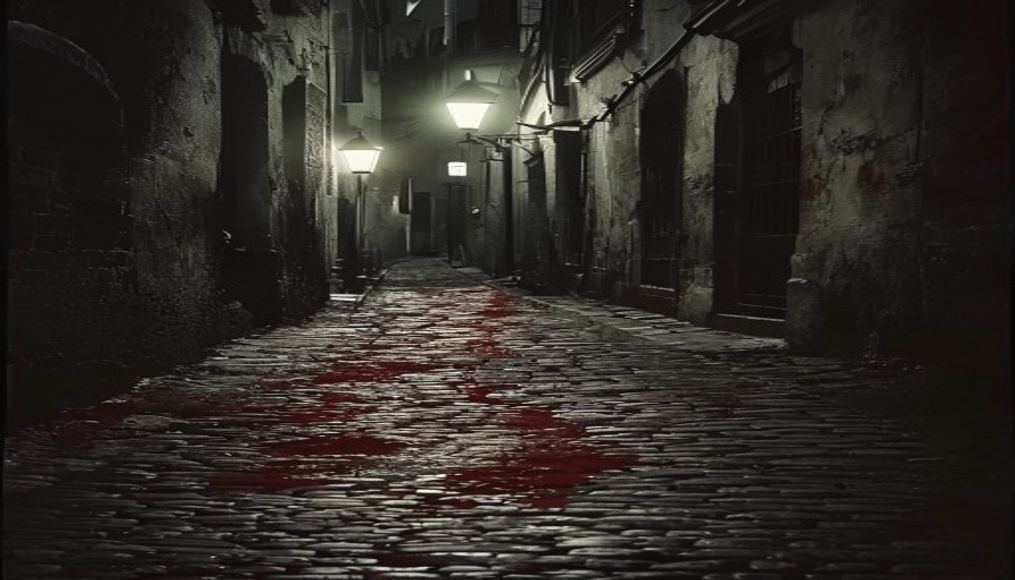
A vivid crimson stain blooms ominously on the cold. unforgiving cobblestones of a gaslit alleyway. This horrific sight marked the beginning of a reign of terror. a brutal legacy left by a shadowy figure. Five women. each with their own tragic story. were brutally taken from the unforgiving streets of London. leaving behind a chilling trail of fear and unanswered questions that would haunt the city for generations.
The autumn of 1888 descended upon London. bringing with it a chilling terror that gripped the very heart of the city. A malevolent shadow moved through the labyrinthine streets of Whitechapel. weaving a tapestry of fear and dread. We are about to delve into the chilling narrative of Jack the Ripper. meticulously exploring the lives of his unfortunate victims. the desperate. often futile. hunt by the police. and the enduring. perplexing mystery of his true identity that continues to baffle historians and enthusiasts alike.
Whitechapel. a district already notorious for its pervasive poverty and unforgiving squalor. tragically became the primary hunting ground for this unseen monster. Prostitution was rampant. a harsh and desperate reality for countless women struggling to survive the brutal realities of Victorian life. This grim social backdrop. unfortunately. created an environment where extreme vulnerability was exploited with horrifying impunity. making these women easy targets for a ruthless predator.
The first official victim. Mary Ann Nichols. was discovered on a bleak August 31st. her life brutally extinguished. Her throat was savagely cut with chilling precision. and her abdomen horribly mutilated in a manner that shocked even the most hardened investigators. This brutal and unprecedented act immediately signaled something far more sinister and organized than a common street crime. plunging London into a new era of fear.
Just a week later. the terror escalated as Annie Chapman met an equally gruesome fate. mirroring the brutality of the first murder. Her lifeless body was found near a doorway in a dark alley. her throat savagely cut. and internal organs removed with a disturbing expertise. The escalating ferocity and disturbing consistency of these attacks sent profound shivers down the spine of London. confirming the presence of a truly monstrous killer.
The Metropolitan Police. already overwhelmed and severely under-resourced for a crisis of this magnitude. faced immense and unrelenting pressure from a terrified public and a sensationalist press. Public panic mounted exponentially with each new. ghastly discovery. creating an atmosphere of palpable fear throughout the city. The elusive killer seemed to vanish into the dense London fog and the labyrinthine streets as quickly and silently as he appeared. leaving baffled officers in his wake.
Then came the horrifying 'double event' on September 30th. a night that etched itself into London's darkest history. Elizabeth Stride and Catherine Eddowes were murdered within minutes of each other. just a few short blocks apart. demonstrating an audacious confidence that defied belief. This brazen act. carried out under the very nose of law enforcement. underscored the killer's utter contempt for authority and his chillingly calculated ruthlessness. amplifying the terror gripping the city.
Catherine Eddowes' mutilations were particularly extensive and grotesque. suggesting a deeper. more disturbing motive than mere violence. perhaps a ritualistic element. A bloodied piece of her apron was found days later. not far from a chilling message scrawled on a wall. ominously linking the crimes. Tragically. this crucial piece of evidence. the writing on the wall. was controversially washed away by police before it could be properly documented. a decision that has fueled debate for over a century.
The final canonical victim. Mary Jane Kelly. suffered the most horrific and unimaginable death on November 9th. a date forever stained with infamy. Her body. discovered in her own squalid room. was savagely dismembered and mutilated beyond recognition. revealing a scene of unparalleled brutality. The sheer barbarity of the act was forever etched into the annals of crime. cementing the Ripper's legacy as a monster of unimaginable cruelty and leaving an indelible mark on London's collective memory.
Who was this elusive monster who brought such terror to the streets of Whitechapel? The police. in their desperate hunt. pursued countless leads. but each promising trail inexplicably went cold. leaving them no closer to an answer. They interviewed hundreds of suspects. sifting through the grime and despair of the East End. yet the killer remained an elusive. terrifying phantom. a shadow in the fog. forever out of reach. mocking their efforts with his chilling anonymity.
The infamous 'Dear Boss' letter. received by the Central News Agency. was the first to introduce the chilling moniker 'Jack the Ripper.' a name that would forever be synonymous with terror. Was it a genuine confession from the killer himself. a macabre boast of his gruesome deeds. or merely a cruel and calculated hoax designed to sow further panic and confusion? Its true origin remains fiercely debated among Ripperologists. adding another layer to the enduring mystery.
Another truly chilling missive. famously known as the 'From Hell' letter. arrived accompanied by a small. rustic box containing a gruesome artifact: a human kidney. This grotesque and undeniably authentic piece of human remains only intensified the pervasive terror gripping London and fueled rampant speculation about the killer's identity. particularly his potential medical knowledge or involvement in the butchering trade. The macabre delivery sent shockwaves through the city. deepening the sense of dread.
The press. recognizing the public's morbid fascination with the unfolding horrors. sensationally capitalized on the crimes. Newspapers ran lurid and often exaggerated details. creating a macabre celebrity out of the unseen killer. This relentless media frenzy. with its dramatic headlines and graphic descriptions. contributed significantly to the widespread panic and hysteria. turning a local tragedy into a national obsession. and further obscuring the true facts amidst the sensationalism.
Public suspicion. fueled by the gruesome nature of the mutilations. naturally fell upon individuals with anatomical knowledge. Doctors. surgeons. and butchers were all scrutinized. as the precision of the injuries suggested a familiarity with the human body beyond that of an amateur. However. despite intense speculation and countless theories. definitive proof linking any specific profession or individual to the crimes was always frustratingly lacking. leaving investigators in a perpetual state of uncertainty.
The Ripper's terrifying reign of terror abruptly ceased after Mary Jane Kelly's horrific murder. leaving London in a state of bewildered relief and lingering dread. No more bodies appeared in the dark alleys of Whitechapel. no more chilling letters arrived to taunt the authorities. The sudden. inexplicable silence that followed was almost as unsettling as the violence itself. leaving an enduring question hanging in the air: what caused this monstrous killer to suddenly stop his gruesome spree. vanishing without a trace?
One prominent and often discussed theory suggests the killer was a Polish Jewish immigrant named Aaron Kosminski. He was an asylum inmate who harbored a deep-seated misogyny. particularly towards prostitutes. and had a documented history of violent outbursts and mental instability. His disturbing psychological profile and proximity to the crime scenes. coupled with later DNA evidence. made him a compelling and enduring suspect in the decades that followed the murders. though not without controversy.
Another popular theory points to Montague John Druitt. a barrister with a respectable background. but also a family history of mental illness. He tragically drowned himself in the Thames shortly after the last canonical murder. a suspicious coincidence that led many to believe he was either the Ripper's final victim. or. more chillingly. the Ripper himself. driven to suicide by his horrific deeds. This theory offers a tidy. yet unproven. explanation for the sudden cessation of the murders.
Some of the more sensational theories have even implicated members of the British aristocracy. suggesting a high-level cover-up to protect a prominent figure. Prince Albert Victor. Duke of Clarence and Avondale. Queen Victoria's grandson. has been a controversial and largely unsubstantiated suspect. a theory often fueled by conspiratorial whispers and the desire for a more dramatic. scandalous narrative. These theories. while captivating. lack concrete evidence and remain firmly in the realm of speculation.
The profound lack of advanced forensic science in 1888 meant that crucial evidence. invaluable in modern investigations. was tragically lost or overlooked. DNA analysis. which has solved countless cold cases in the contemporary era. was centuries away from being conceived. The primitive investigative techniques available to the Victorian police. coupled with the challenging urban environment. severely hampered their efforts to gather and preserve vital clues. allowing the killer to slip through their grasp.
The victims. often dismissed and dehumanized as mere prostitutes by contemporary society and even some historical accounts. were in fact desperate women. each with a unique. tragic story of survival in a brutal era. Their lives. though brutally and tragically cut short by an unseen monster. fuel the enduring quest for justice and a deeper understanding of the events. It is imperative that we remember their humanity and acknowledge the inherent value of their lives. refusing to let them be forgotten.
The Ripper's chilling modus operandi. characterized by swift. brutal attacks and grotesque mutilations carried out with disturbing efficiency. strongly suggests a killer who was intimately familiar with the intricate labyrinth of the Whitechapel area. He likely knew the dark. winding alleys. the hidden passages. and the routines of his vulnerable victims. allowing him to strike and vanish without a trace. almost as if he were a part of the very fabric of the district.
The sheer audacity of the 'double event.' murdering two women in quick succession within minutes and blocks of each other. speaks volumes about the killer's profound confidence and his palpable contempt for law enforcement. It was an unmistakable act of taunting. a direct challenge to the authority and competence of the Metropolitan Police. underscoring his belief that he was untouchable and could operate with impunity. further intensifying the public's fear and the police's frustration.
The horrific mutilations. particularly the precise removal of internal organs. have consistently led to intense speculation about the killer's potential medical knowledge or. more disturbingly. a dark. ritualistic element to his crimes. Was he a trained surgeon. a skilled butcher with anatomical expertise. or simply someone with a macabre and twisted curiosity. driven by a perverse desire to dissect and desecrate? This question remains one of the most unsettling aspects of the entire case.
Some compelling theories propose that Jack the Ripper was a foreign sailor. briefly docking in the bustling London harbor during his short. violent spree. This transient nature would offer a plausible explanation for his sudden disappearance from Whitechapel and the cessation of the murders. as he would simply sail away. making him incredibly difficult. if not impossible. to trace or apprehend by the limited investigative means of the era. vanishing into the vastness of the sea.
Another fascinating. albeit less supported. theory suggests the killer might have been a woman. giving rise to the 'Jill the Ripper' hypothesis. This intriguing concept posits that a female killer could have moved through the shadows of Whitechapel largely unnoticed. perhaps even disguised as a man. granting her unparalleled access to her victims and allowing her to escape suspicion in a male-dominated society. It's a provocative idea that challenges conventional assumptions about the killer.
The infamous letters attributed to the Ripper are a crucial. yet perpetually frustrating. piece of this complex puzzle. Their authenticity is fiercely and constantly debated among experts. with many believing them to be hoaxes. while others see genuine clues. Regardless of their true origin. they undeniably shaped the legend of Jack the Ripper. imbuing him with a taunting. almost theatrical persona. Were they a psychological weapon. designed to terrorize and mislead. or simply the ramblings of a madman?
While the 'canonical five' victims are central to the established Ripper narrative. many researchers and historians suggest there might have been more unfortunate souls who fell victim to his blade. The sheer number of unsolved murders and violent assaults in Whitechapel during that tumultuous period complicates the definitive count. making it difficult to ascertain the true extent of the Ripper's reign of terror and whether other victims remain unrecognized. lost to history.
The lasting. almost morbid fascination with Jack the Ripper stems primarily from his enduring anonymity and the truly horrific nature of his crimes. which transcended mere violence. He rapidly became a chilling symbol of urban dread. an embodiment of the unknown. terrifying dangers lurking in the dark underbelly of the rapidly expanding metropolis. forever representing the ultimate. faceless evil that could strike anywhere. at any time. leaving an indelible mark on the collective consciousness.
My own theory. after years of studying the case. leans strongly towards a local individual. perhaps a lower-class professional with some rudimentary medical or butchering skills. who lived within or very close to Whitechapel. This intimate familiarity with the area would perfectly explain his uncanny ability to evade capture. knowing every dark alley and escape route. allowing him to blend seamlessly back into the crowded. anonymous streets after each horrific act. making him virtually untraceable.
The abrupt and unexplained cessation of the murders strongly suggests either the killer's imprisonment. his emigration from London. or his untimely death. Given the lack of a prominent arrest or a documented flight. a localized event. such as an accidental death. a suicide. or incarceration for a different. unrelated crime. seems the most plausible explanation for his sudden disappearance from the horrifying annals of Whitechapel. bringing a chilling end to his reign of terror.
The profound psychological aspect of the grotesque mutilations points towards a deep-seated rage and misogyny. possibly exacerbated by personal failures. social frustrations. or unresolved trauma. This was not merely about the act of killing; it was about the desecration of the victims. a symbolic act of power and control over those he deemed vulnerable. The sheer brutality suggests a mind consumed by a dark. pathological hatred. leaving an indelible mark of cruelty.
The frustrating lack of consistent witness descriptions further complicates any attempt at identifying the elusive killer. The pervasive fog. the impenetrable darkness of the gaslit streets. and the sheer terror of the moment would have made accurate. reliable accounts incredibly difficult to obtain. Witnesses. often themselves living in fear. struggled to provide clear details. contributing to the Ripper's ability to remain a faceless. shadowy figure. forever out of reach.
The killer's deliberate targeting of vulnerable women. often those living on the fringes of society. speaks volumes about a predator who sought easy victims. These were individuals less likely to be immediately missed or whose disappearance would be attributed to other. less sinister causes. making them ideal targets. It was a calculated and cold-blooded strategy. designed to minimize detection and maximize his horrific impact. preying on the most defenseless members of society.
The enduring mystery of Jack the Ripper continues to haunt us. casting a long. dark shadow over the annals of true crime. He represents the ultimate. primal fear: a faceless killer who walks among us. unseen. unknown. and utterly without conscience. His chilling legacy is one of profound terror. unspeakable brutality. and a multitude of unanswered questions that continue to echo through the centuries. ensuring his place as an icon of urban dread.
The perplexing case of Jack the Ripper serves as a stark and powerful reminder of the inherent limitations of historical criminal investigation. especially in an era devoid of modern forensics. It also powerfully illustrates the profound and lasting impact a single. terrifying individual can have on an entire city and its collective psyche. creating an atmosphere where fear was not just a feeling. but a palpable. suffocating presence that permeated every dark corner and alleyway.
Despite countless books. compelling films. exhaustive documentaries. and endless amateur investigations. the true identity of Jack the Ripper remains maddeningly elusive. a phantom in the historical record. This enduring enigma is a significant part of what makes his story so incredibly compelling and captivating. yet simultaneously so deeply unsettling and frustrating. The absence of a definitive answer fuels our fascination. ensuring his legend lives on. shrouded in mystery.
Perhaps the most chilling and disturbing aspect of this entire saga is the possibility that the killer may have simply lived a completely normal. unremarkable life after 1888. his monstrous secret buried deep within him forever. The thought of him blending seamlessly back into society. perhaps even raising a family. after committing such unspeakable atrocities. is profoundly disturbing and adds another layer of horror to an already terrifying tale. forcing us to question the true nature of evil.
The victims. Mary Ann Nichols. Annie Chapman. Elizabeth Stride. Catherine Eddowes. and Mary Jane Kelly. each a woman of the streets. tragically cut down in their prime. deserve to have their killer identified and brought to justice. even after all these years. Until that day. their tragic stories remain a stark. haunting reminder of Victorian London's darkest. most enduring secret. their names echoing through history. pleading for resolution and recognition of their lost lives.
What is your personal theory about Jack the Ripper's true identity? Do you lean towards a specific suspect. or do you believe the answer lies in an entirely different direction? And what do you think ultimately caused him to abruptly stop his terrifying killing spree. vanishing without a trace into the annals of history? Share your compelling thoughts and insightful theories in the comments section below! 👇 We'd love to hear your perspective on this enduring enigma.
If you are captivated by the unsolved. the mysterious. and the chilling shadows of history. make sure to subscribe to Mind Unlocked. Join our community for more deep dives into the most perplexing true crime cases. historical enigmas. and psychological thrillers that continue to baffle and fascinate us. Don't miss out on our next journey into the unknown. where we unravel the secrets that lie hidden in the past and explore the depths of the human mind.
Why do you think the killer sent letters to the police. seemingly taunting them. yet never revealed his true identity? Was it a calculated psychological game or a desperate cry for attention? 👇
Déjanos tu teoría en los comentarios del vídeo. Las mejores acaban dando pie a un caso nuevo.
Otros casos abiertos



Este caso se basa en información pública documentada. Si dispones de datos contrastados que lo corrijan o amplíen. escríbenos a través del canal.